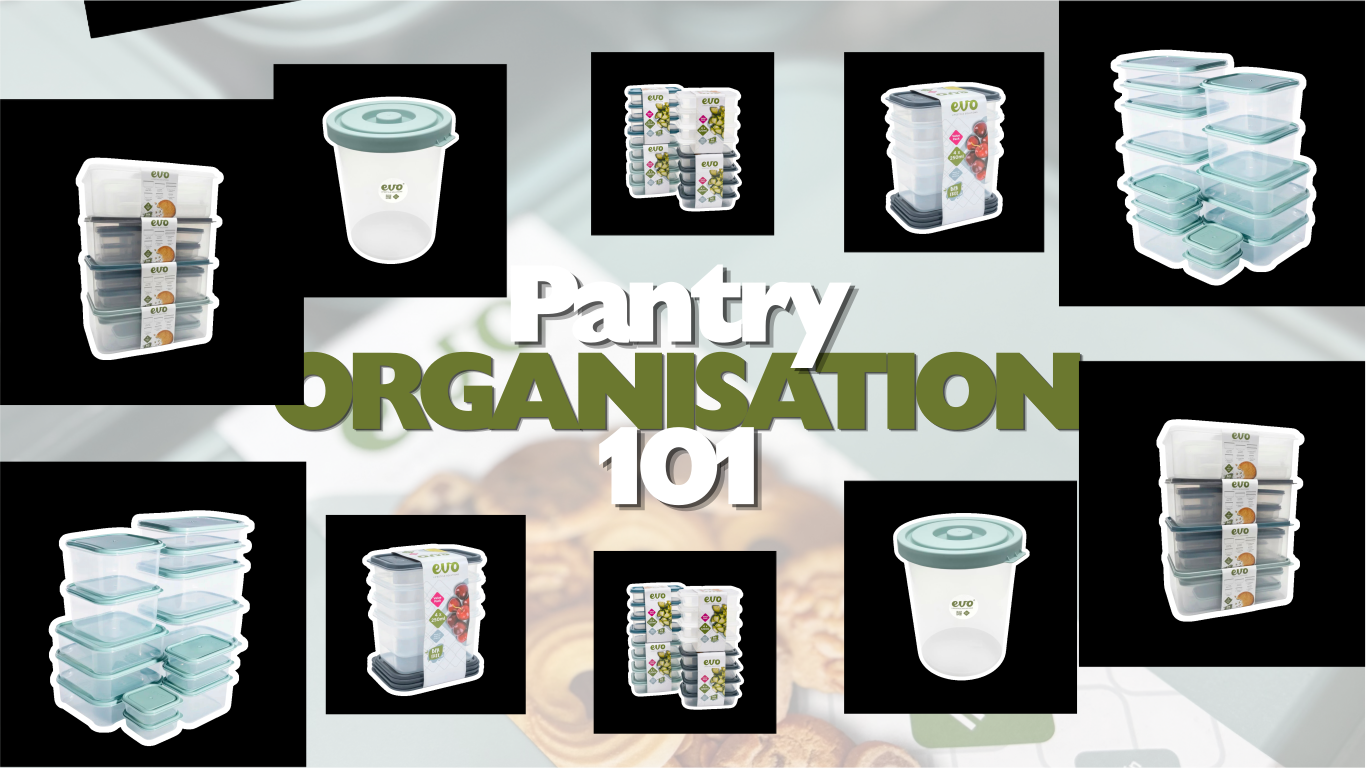
Pantry Organisation 101: Getting the Most from Dry Goods Containers
A well-organised pantry isn’t about aesthetics (although it doesn’t hurt). It’s about wasting less food, spending less money, and always knowing what you have before you shop. With grocery prices doing what they’re doing, decanting your staples into proper airtight dry goods containers is one of the most practical money-saving habits a household can build, fitting, since July is National Savings Month. Here’s how to do it properly.
Why decant at all? The maths of an organised pantry
Staples left in their original paper and soft-plastic packaging lose the battle on three fronts: air and moisture stale them faster, pantry pests like weevils get in through the smallest tear, and half-used packets get buried and re-bought. An airtight container solves all three. If decanting saves your household one binned bag of flour and one duplicate purchase a month, the containers pay for themselves within the year and then keep saving.
What size container for which staple?
A useful rule of thumb: light, powdery staples like flour and maize meal need roughly 1.5–2 litres of container space per kilogram, while denser staples like rice and sugar need closer to 1–1.5 litres per kilogram. In practice:
- 8L utility container: the pantry anchor. An EVO 8L Utility Dry Goods Container comfortably takes a large bag of maize meal, flour or rice, with room to scoop. One per staple you buy in bulk.
- 2–4L containers: sugar, pasta, oats, lentils and samp: the staples you buy in standard bags.
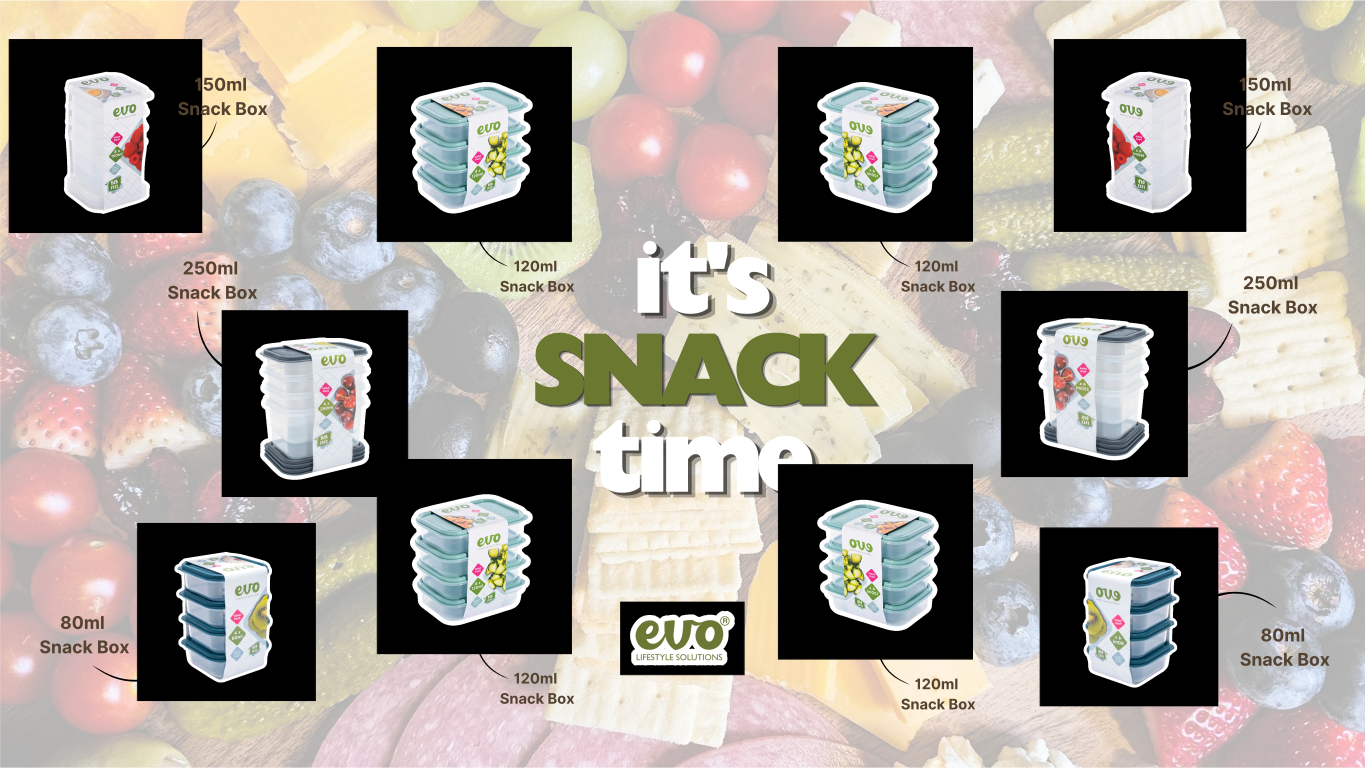
- Under 1L: stock cubes, spices, seeds, and the half-packets that otherwise migrate to the back of the shelf.
The load-shedding pantry
South African pantries work harder than most. When the power schedule interferes with the fridge and freezer, a well-stocked dry pantry is what keeps dinner on the table and sealed containers are what keep that pantry reliable. Airtight storage protects your no-cook and quick-cook staples (crackers, rusks, instant meals, rice, canned-meal sides) from humidity and pests, so the backup plan is actually edible when you need it.
A weekend pantry reset, step by step
- Empty one shelf at a time, doing the whole pantry at once is how resets get abandoned halfway.
- Bin anything stale or expired and combine duplicate open packets.
- Decant staples into airtight containers, biggest sellers (maize meal, flour, rice) first.
- Label every container with the contents and the date you decanted, masking tape and a koki work perfectly.
- Practise first in, first out: when you refill a container, use up the older stock on top.
- Put everyday staples at eye level and bulk backups lower down, stackable containers make the floor of the pantry usable space.
Built for South African pantries
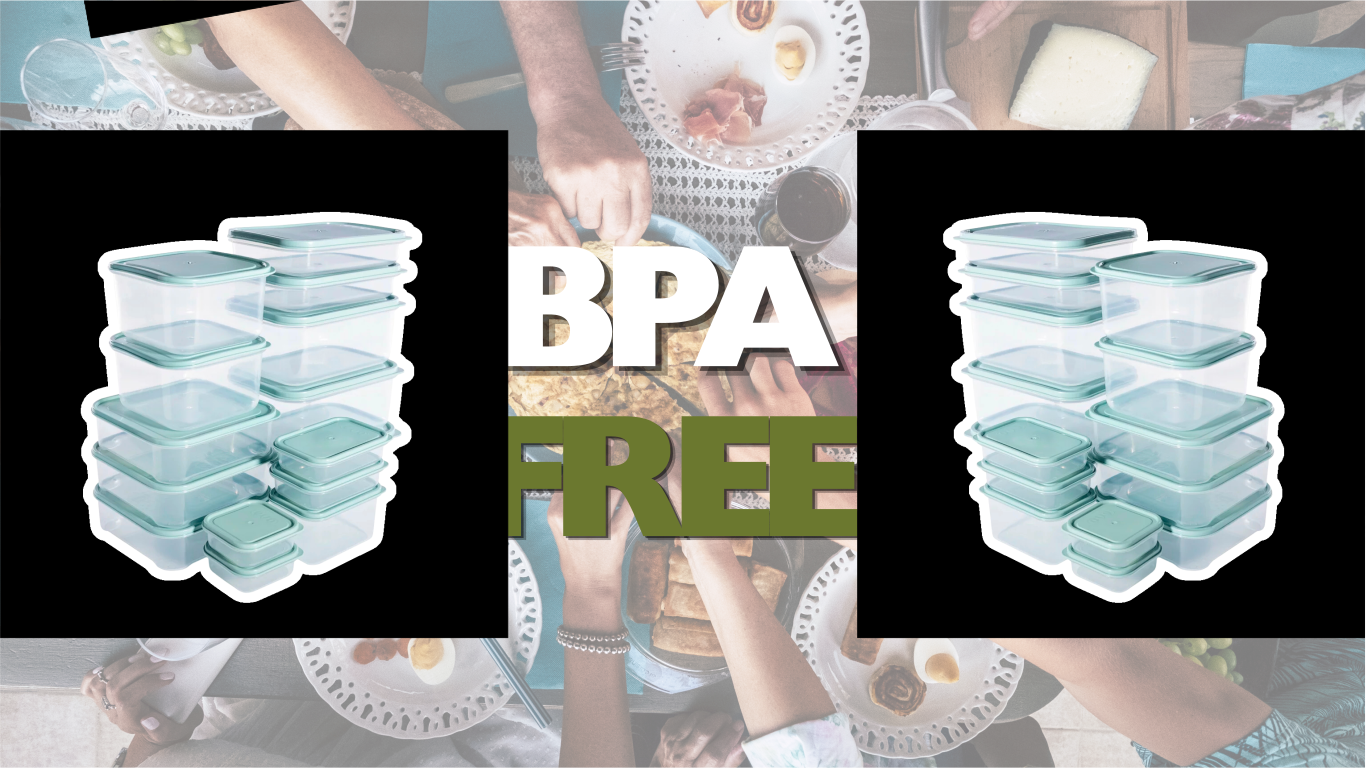
EVO’s utility and dry goods containers are manufactured in South Africa from durable, BPA-free plastic, designed to stack securely when full and nest when empty. They’re the same containers trusted in hospitality and catering environments, which is exactly the durability you want from something you’ll open every single day.
FAQ: dry goods storage
What container size do I need for a 5kg bag of maize meal?
Around 8 litres. Powdery staples like maize meal and flour need roughly 1.5–2 litres of space per kilogram, plus a little headroom for a scoop.
Do dry goods containers really keep weevils out?
A sealed, airtight container keeps new pests out. To be safe with flour and maize meal, some households freeze the bag for 48 hours before decanting, which deals with any eggs already in the packaging.
How long do staples last in airtight containers?
Considerably longer than in opened original packaging, flour, rice and sugar stay fresh for months when sealed, cool and dry. Label with the decant date and rotate stock so nothing overstays.
Should I wash containers between refills?
Yes, a quick wash and a complete dry before refilling. Any moisture left inside is the fastest way to spoil a fresh bag of flour.
Start with one shelf
The EVO 8L Utility Dry Goods Container is the place to begin, one container, one staple, one tidier shelf. Browse the full Food Containers & Organisers range, proudly South African and BPA-free.