What Does BPA-Free Actually Mean? A Straight Answer for South African Households
“BPA-free” is printed on containers, bottles and lunchboxes across every homeware aisle in the country but ask most shoppers what it means and the honest answer is “something about safer plastic?”. Since every product EVO makes is BPA-free, we thought we’d give you the plain-language version: what BPA is, why it matters, and how to check the containers already in your cupboard.
What is BPA?
BPA: bisphenol A is an industrial chemical that has been used since the 1960s to make certain hard, clear plastics (polycarbonate) and some can linings. The concern is that BPA can leach out of these plastics into food and drink, especially when the plastic is heated, scratched or old. Because of that, food-contact plastics have steadily moved away from BPA, and “BPA-free” became the label that tells you a product is made without it.
What “BPA-free” means on a label
Simply: the plastic used to make that product contains no bisphenol A. Most modern food containers, including the entire EVO range are made from polymers like polypropylene that never contained BPA in the first place. The label matters most for the plastics you heat, seal food in daily, and wash over and over: lunchboxes, storage containers, and anything a child eats from.
How to check the containers you already own
Turn the container over and look for the recycling triangle with a number inside:
- Code 5 (PP, polypropylene): the most common food container plastic; does not contain BPA.
- Codes 1, 2 and 4: also, BPA-free plastic types, common in bottles and bags.
- Code 7 (“other”): the one to check. Code 7 covers mixed plastics including old polycarbonate, which may contain BPA unless the item is explicitly marked BPA-free.
If you have old, scratched, cloudy hard-plastic containers marked 7 with no BPA-free label, particularly hand-me-downs from years back, retiring them from food duty is the sensible call.
Five habits that make any plastic container safer (and last longer)
- Only heat containers that are explicitly marked microwave-safe on the base and remove the lid or open the vent.
- Don’t pour boiling liquids straight into containers not rated for it; let food cool briefly first.
- Skip abrasive scourers, scratches shorten a container’s life and give stains and smells somewhere to live.
- Retire containers that are warped, cracked or permanently stained; a compromised seal defeats the point.
- Recycle retired containers according to their code rather than binning them.
Where EVO stands
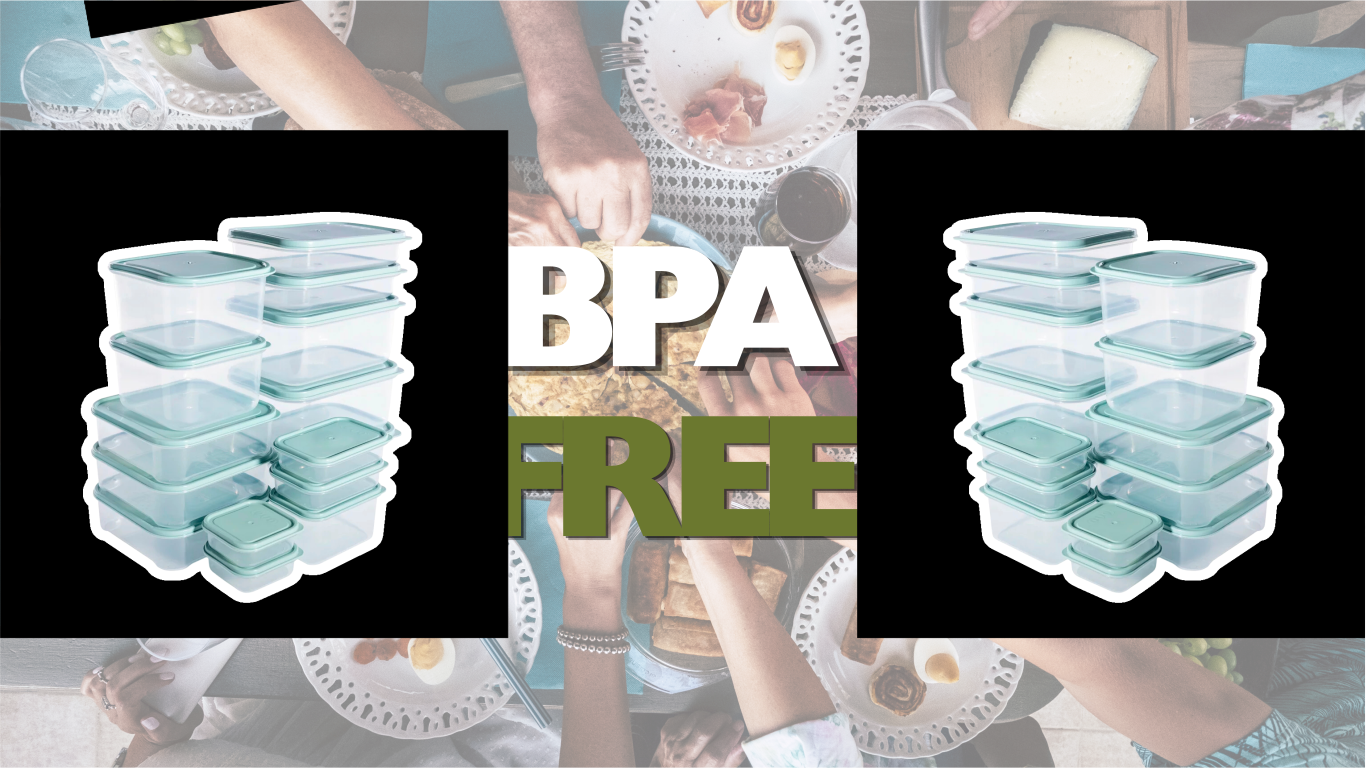
Every EVO product, across food containers, lunch boxes, snack boxes, hospitality and household ranges is manufactured in South Africa from BPA-free polymers. It’s a baseline we hold across the entire range, not a premium tier, because a storage container’s first job is keeping what’s inside exactly as you packed it. Local manufacturing also means full visibility of the materials that go into every product, no guessing about what an imported container is actually made of.
FAQ: BPA and plastic safety
Is BPA-free plastic safe for food?
BPA-free food-grade plastics like polypropylene are widely used and approved for food contact. Follow the product’s care guidance, particularly around heat and any quality BPA-free container will serve you safely for years.
Which plastics contain BPA?
Mainly older polycarbonate plastics, usually marked with recycling code 7 and no BPA-free label. Codes 1, 2, 4 and 5 are BPA-free plastic types.
Should I throw away my old plastic containers?
Not necessarily all of them but retire anything marked code 7 without a BPA-free label, and anything scratched, warped or cloudy, regardless of type. Recycle them by their code.
Are all EVO containers BPA-free?
Yes. The entire EVO range is manufactured from BPA-free polymers, made locally in South Africa.
Shop with confidence
Explore the full EVO range at https://www.evosolutions.co.za/shop/ , BPA-free across every category, proudly South African, and available at selected retailers.